
Table of Contents
Drive down any Austin retail corridor after dark and the businesses you actually notice are the ones with channel letter signs — individually built, internally lit letters that read crisply from a moving car. They’re the default choice for storefronts across Texas, and also the sign type with the most ways to overpay or under-spec. This buyer’s guide covers everything we explain to customers before they order channel letter signs: the five construction types, materials, mounting, real Austin pricing, permits, design rules, and maintenance.
What Are Channel Letter Signs?
Channel letter signs are three-dimensional letters and logos, each fabricated as its own sealed “channel” — an aluminum back and sides (the return) with an acrylic face — lit from inside by LED modules. Because every letter is its own housing, the sign follows your logotype exactly, unlike a box sign where your brand floats on a lit rectangle.
They dominate storefront signage for three reasons: they’re readable day and night, they look premium without premium-sign budgets, and nearly every landlord’s sign criteria in Austin either allows or outright requires them.
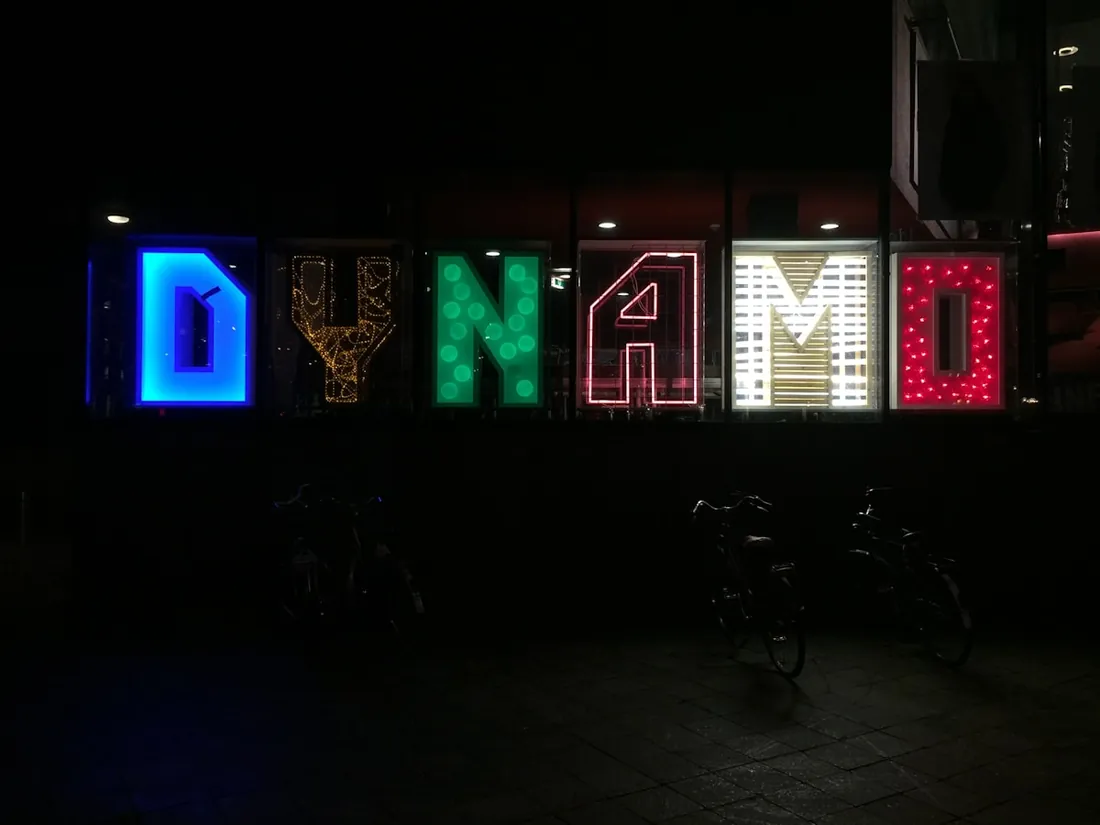
The 5 Types of Channel Letter Signs (With Pros and Cons)
1. Front-lit (standard) channel letters
Light shines through translucent acrylic faces. The workhorse: maximum brightness and legibility per dollar. Best when your priority is being read from the road.
2. Reverse / halo-lit channel letters
Metal faces, open backs; LEDs wash light onto the wall behind, so each letter floats in a halo. The upscale look — law firms, hotels, medical, flagship retail. Slightly less punchy at long distances, unmistakably premium up close.
3. Front + back lit combo
Lit faces and a halo. Two lighting effects, one sign — and the priciest standard option. Worth it on dark facades where you want both distance legibility and curb-appeal glow.
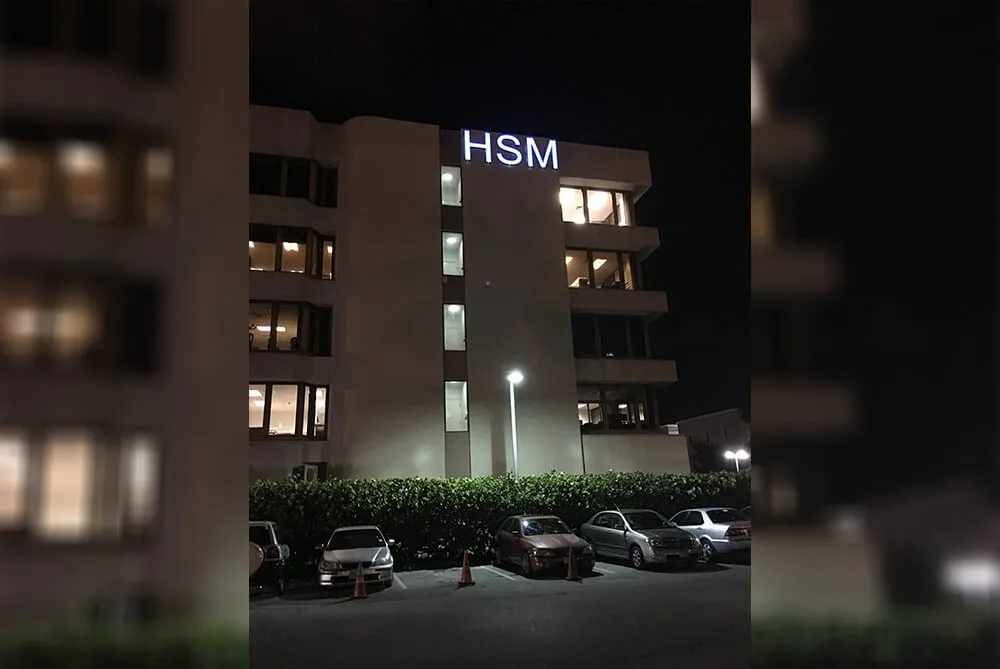
4. Open-face channel letters
Exposed light source behind clear faces for a retro, neon-style character — today usually LED neon-flex rather than glass. Popular with Austin bars and restaurants chasing that neon look without neon fragility.
5. Non-illuminated dimensional letters
Same fabricated-letter construction, no lighting. Right for offices that close before dark, well-lit interiors, or sign criteria that prohibit illumination. If that’s your situation, compare options in our non-illuminated signs range before defaulting to flat-cut acrylic.
Anatomy of a Channel Letter: Materials That Matter
Two channel letter quotes can differ by thousands because of what’s inside the letters. The components worth asking about:
- Returns (sides): aluminum depth of 3″–5″. Deeper returns = more even illumination on big letters.
- Faces: acrylic thickness and brand matter for color stability under Texas sun. Cheap faces yellow and crack years sooner.
- LED modules: the biggest quality spread. Name-brand modules carry 5-year warranties and hold brightness; bargain modules dim unevenly, leaving blotchy letters within two summers.
- Power supplies: sized with headroom and housed accessibly — the #1 field-failure part, so serviceability matters.
- Trim cap: the colored edge binding face to return; sloppy trim work is the first thing that fails cosmetically.
- Drainage and sealing: weep holes and sealed penetrations. In Central Texas downpours, letters without proper drainage become aquariums.
Raceway vs. Flush Mount: The Decision Your Landlord Already Made
Channel letters mount one of two ways, and in most Austin shopping centers the landlord’s sign criteria dictates which:
Raceway mount: letters sit on a rectangular aluminum box (the raceway) that contains wiring and power supplies, and the raceway bolts to the wall. Landlords prefer it — fewer wall penetrations and easy removal at lease end. Painted to match the facade, it mostly disappears.
Flush (direct) mount: each letter attaches to the wall individually, wiring passes through the wall, power supplies live behind the parapet or in the ceiling. Cleaner look, more penetrations, more install labor — the norm on owner-occupied buildings and high-design storefronts.
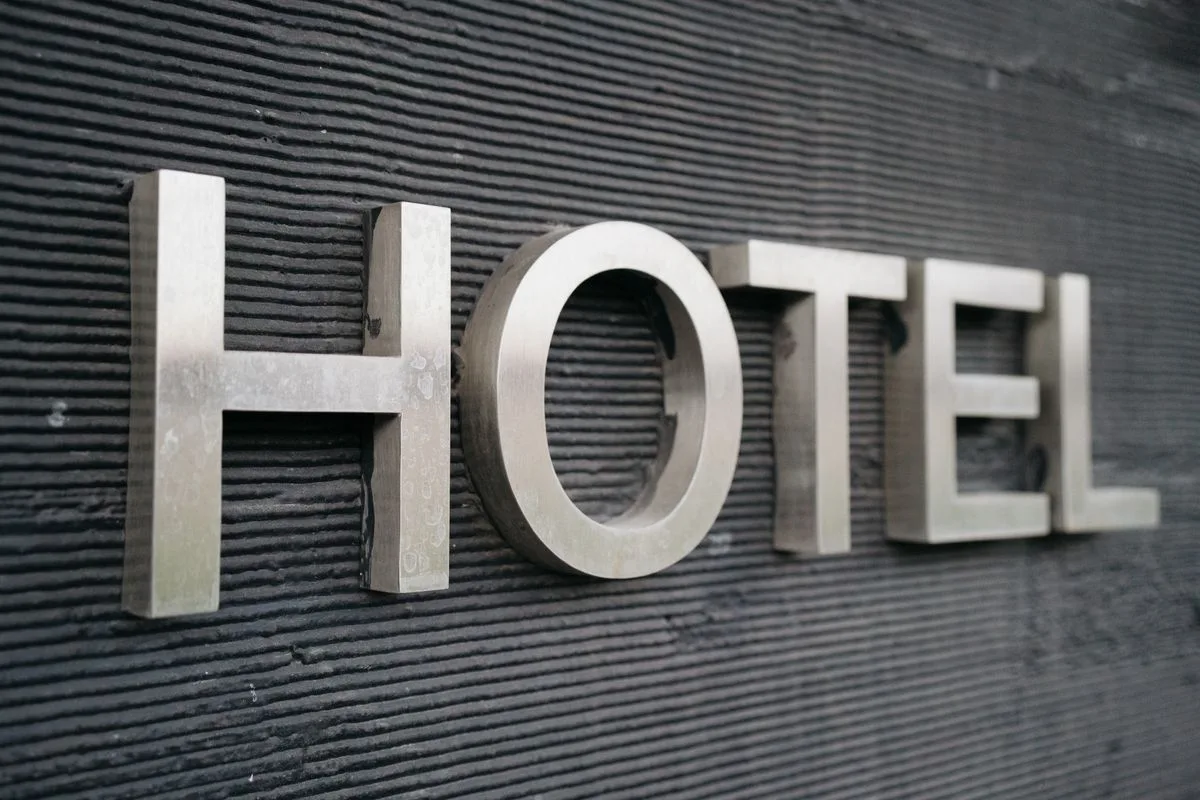
Check your lease exhibit before designing: discovering a raceway requirement after concept approval is a common (and avoidable) redesign cost.
Channel Letter Signs Cost in Austin (2026)
2026 installed pricing we see across the Austin market:
| Configuration | Typical installed cost |
|---|---|
| Small front-lit set (12–18″ letters, short word) | $4,000 – $7,000 |
| Standard storefront set (18–24″, 8–12 characters) | $6,000 – $10,000 |
| Large set or letters + logo cabinet | $9,000 – $15,000 |
| Halo-lit or combo-lit premium set | +25–50% over front-lit |
| Face/retrofit of existing letters (rebrand) | 30–50% of new-sign price |
Per-letter rules of thumb collapse quickly — letter height, stroke width, mounting, and wall construction move the number more than the letter count. For context on how channel letters compare against every other sign type, see our full Austin business sign cost guide.
Permits and Austin Sign Code for Channel Letters
Illuminated channel letter signs in Austin need both a sign permit and an electrical permit from the Development Services Department. The sign code regulates total sign area relative to your facade, height, and — in some overlay districts — illumination itself. Downtown, along scenic corridors, and in historic districts, expect stricter rules and longer reviews; the details are in our walkthrough of Austin sign regulations.
A good sign company handles the drawings, engineering, and application for you. What you should provide: your lease’s sign exhibit, landlord contact for approval, and any brand guidelines. What you should never do: let anyone install an illuminated sign without a permit — unpermitted signs surface at refinance, sale, or TCO time, and retroactive permits cost more than doing it right.
7 Design Rules That Separate Great Channel Letters From Expensive Mistakes
Rules we apply on every channel letter project:
- Size for the road, not the sidewalk. Rough legibility rule: 1″ of letter height per 10 feet of viewing distance. A 45 mph arterial needs bigger letters than a walkable strip.
- Contrast beats color. White or high-contrast faces on dark facades outperform brand-perfect but low-contrast combinations at night.
- Keep strokes thick. Thin, elegant typefaces light unevenly and read as broken at distance. If your brand font is thin, consider halo-lit metal faces instead.
- Fewer words, bigger letters. “JUNIPER KITCHEN” reads; a stacked tagline doesn’t. Put the rest on entrance signage and windows.
- Design for the wall you have. A busy brick facade may need a backer panel to give letters a calm field.
- Day/night proof every concept. Ask for both renderings; a sign that looks great only when lit is half a sign.
- Plan the whole facade. Letters, blade sign, window vinyl, and hours should feel like one system — our storefront signage guide shows how the pieces fit.
The Process: From Survey to Lit Sign
What ordering channel letter signs from us actually looks like:
- Site survey (free): facade measurements, wall construction, power availability, photos.
- Design & renderings: scaled day/night mockups on your actual storefront photo.
- Landlord + city approval: we submit to both in parallel where possible; typically 2–5 weeks combined.
- Fabrication: 2–4 weeks — letters bent, wired, faced, and bench-tested.
- Installation: usually one day: mount, connect, seal every penetration, and light it up.
- Inspection & warranty: city electrical inspection, then our workmanship warranty kicks in alongside LED manufacturer coverage.
Realistic total: 5–9 weeks. Signing a lease this month and opening in six weeks? Start the sign now — it’s the longest-lead item on most buildout schedules.
Maintenance: Keeping Your Letters Bright for a Decade
Channel letters are low-maintenance, not no-maintenance. Budget for:
- Annual visual check: dim or dead sections, water staining inside faces, cracked trim cap.
- LED section replacement: modules fail in strings; a same-week fix keeps one dark letter from becoming the neighborhood joke (“HOT EL”).
- Face cleaning: Austin’s pollen plus parking-lot dust noticeably dims faces — a gentle wash restores real brightness.
- Post-storm inspection: hail and wind-driven rain find weak seals.
Our sign maintenance guide covers schedules and costs; the short version is that a $200 annual check protects a $10,000 asset. If your letters predate LED lighting entirely, retrofitting from fluorescent or neon internals usually pays for itself in energy and service calls within two to three years.
Channel Letters vs. the Alternatives
Channel letters aren’t always the answer. Quick decision guide:
- Tight budget, strip-center location: a cabinet sign delivers lit presence for less — compare in our illuminated signs lineup.
- Historic building or design-forward brand: halo-lit letters or a hand-painted look with exterior lighting.
- Office park with sign criteria monument: your budget may do more on the shared monument sign panel plus dimensional letters at the door.
- Bar/venue wanting personality: open-face letters or LED neon.
- No illumination allowed: premium non-illuminated dimensional letters plus facade lighting (where code permits) get surprisingly close.
Industry research from the International Sign Association is blunt about the stakes: on-premise signage drives roughly half of new customers’ first visits for retail businesses. The question isn’t whether to invest in a lit storefront sign — it’s which construction gets you noticed for the next decade.
10 Questions to Ask Any Sign Company Before You Order
The fastest way to separate a fabricator from a middleman reselling wholesale letters:
- Who actually builds the letters — you, or a wholesale shop out of state?
- Which LED module and power supply brands do you install, and what are their separate warranties?
- Will you handle the City of Austin sign and electrical permits, including drawings?
- Have you read my lease’s sign exhibit? (Bring it to the first meeting.)
- Can I see a night rendering, not just a daytime mockup?
- How are wall penetrations sealed, and is that in the written scope?
- What does the electrical inspection process look like, and who meets the inspector?
- What’s your workmanship warranty — and does it cover water intrusion?
- Who services the sign in year three when a section dims?
- Can you show me three installed projects within ten miles I can drive past tonight?
Any established Austin shop answers these without flinching. Hesitation on #1, #6, or #10 is your cue to keep shopping.
Where Channel Letters Work Hardest in Austin
Austin isn’t one signage market — the same letter set performs differently by district, and smart buyers spec for their block:
- The Domain and domain-style developments: landlord sign criteria rule everything — letter height caps, required raceways, sometimes mandated halo lighting. Design inside the box or lose weeks in revisions.
- South Congress, East Sixth, Rainey: pedestrian speed and nightlife hours. Character wins — open-face letters, halo glow, and blade signs earn more than sheer size. Historic overlays may restrict illumination.
- North Lamar, Burnet, William Cannon corridors: 40–45 mph traffic. This is front-lit territory: maximum letter height your facade and code allow, high contrast, no subtlety.
- Office parks along MoPac and 183: illumination often ends at 10 pm by covenant; halo-lit letters plus a monument panel is the standard professional package.
- Downtown towers: building-top and high-rise letters are engineering projects with their own code chapter — months, not weeks. Start early and expect wind-load engineering to drive the design.
If you’re weighing locations right now, factor the signage rights into the lease negotiation itself — a slightly pricier space with strong, code-legal sign exposure routinely out-earns the discount unit behind a live oak.
6 Ways to Cut Channel Letter Costs Without Looking Cheap
If the quote lands over budget, cut in this order — these trims preserve nighttime impact:
- Shorten the sign, not the letters. Drop “The” and taglines before you drop letter height. Height is legibility; word count is vanity.
- Front-lit instead of combo-lit. The halo is beautiful, but on a busy arterial nobody driving 45 mph sees it. Save the 30% premium for a pedestrian district.
- Standard returns and faces, premium LEDs. Never economize on modules and power supplies — they’re the components that fail. Economize on decorative depth.
- Letters only, logo later. A fabricated logo cabinet can add 25–40%. Launch with the wordmark; add the emblem when revenue is flowing.
- Accept the raceway. If your landlord allows either mount, the raceway saves install labor and future removal costs — painted to match, most customers never notice it.
- Time it with other work. If an electrician is already on site for your buildout, the sign circuit costs a fraction of a dedicated visit.
What not to cut: permits, engineering, sealing, and warranty terms. Every one of those “savings” comes back with interest — usually during a March thunderstorm or a city inspection.
Channel Letter Signs FAQs
How long do channel letter signs last?
Well-built letters last 10–15 years; LED modules typically 50,000+ hours (7–10 years of nightly use), with power supplies the most common earlier replacement.
How much do channel letter signs cost per letter?
Per-letter pricing is a rough proxy at best — $300–$800 per letter installed for typical storefront sizes — but height, lighting type, and mounting drive the real number. Get a facade-specific quote.
Do channel letters use a lot of electricity?
No. A typical LED letter set draws about as much as two or three household light bulbs — usually under $15/month running dusk to midnight.
Can I reuse my letters if I rebrand?
If the letterforms stay, faces and vinyl can be swapped affordably. A new name means new letters, though the raceway, circuit, and permit history often carry over — see our rebranding options guide.
Do I need my landlord’s approval?
Almost always, and their sign criteria may dictate size, mounting, and illumination before the city ever sees your application.
How bright are channel letter signs — will neighbors complain?
Modern LED sets are dimmable, and Austin’s code addresses light trespass in residential-adjacent zones. On mixed-use streets we routinely spec dimmers or timers so letters run full brightness for business hours and step down late at night — keeping both the code office and the condo board upstairs happy.
What happens to my sign in an Austin hailstorm?
Polycarbonate-blend faces and properly sealed returns shrug off most Central Texas hail. After any major storm, look for cracked faces or water lines inside letters and call for service promptly — trapped moisture, not the impact itself, is what kills LED modules. Storm damage is usually claimable under commercial property policies.
Have a question we didn’t cover? Our team answers signage questions daily — no project required. Browse more answers on our FAQs page or ask us directly.
Thinking about channel letters for your storefront? Send us a photo of your facade and we’ll return a scaled day/night rendering with a real installed price — permits included. Request a free quote, browse our channel letters service page, or call (512) 621-8822.