
Table of Contents
Retail signs in Austin have to do more work than almost any other sign category — they pull walk-in traffic off a busy street, guide shoppers once they’re inside, sell a promotion at a glance, and reinforce a brand every single day a store is open. A retailer that treats signage as an afterthought is leaving foot traffic and conversions on the table. This guide covers the 9 sign types a real Austin retail location needs, what they cost installed in 2026, the Austin sign code and ADA rules that apply, and the mistakes we fix most often on existing storefronts.
What Counts as Retail Signage
Retail signage isn’t one sign — it’s a system that starts before a customer parks and continues until they reach the checkout counter. That system generally breaks into three layers: exterior signage that gets someone to stop and walk in, interior signage that moves them through the store and toward what they came for (or didn’t know they wanted), and promotional signage that changes with sales, seasons, and new arrivals. Retailers who only budget for the exterior sign and skip the other two layers consistently underperform stores that treat all three as one connected plan.
The retail sign category also carries a different sales cycle than most commercial signage: a monument sign or channel letter installation gets designed once and lasts a decade, but a retailer’s promotional and seasonal signage needs to change on a near-constant basis without looking like an afterthought each time. That’s the real design challenge behind retail signs in Austin — building a system durable enough to anchor the brand and flexible enough to update every few weeks.
9 Types of Retail Signs Austin Stores Actually Need
1. Storefront and building signs
Your primary identity sign — usually illuminated channel letters or a cabinet sign mounted on the building fascia. This is the sign doing the heaviest lifting for drive-by visibility and needs to be legible from the speed and distance of real street traffic, not just from the sidewalk.
2. Window graphics and displays
Perforated window film, vinyl lettering, and seasonal window clings that turn glass into advertising space without blocking sightlines into the store. See our full window graphics options for materials that hold up in Texas sun without yellowing.
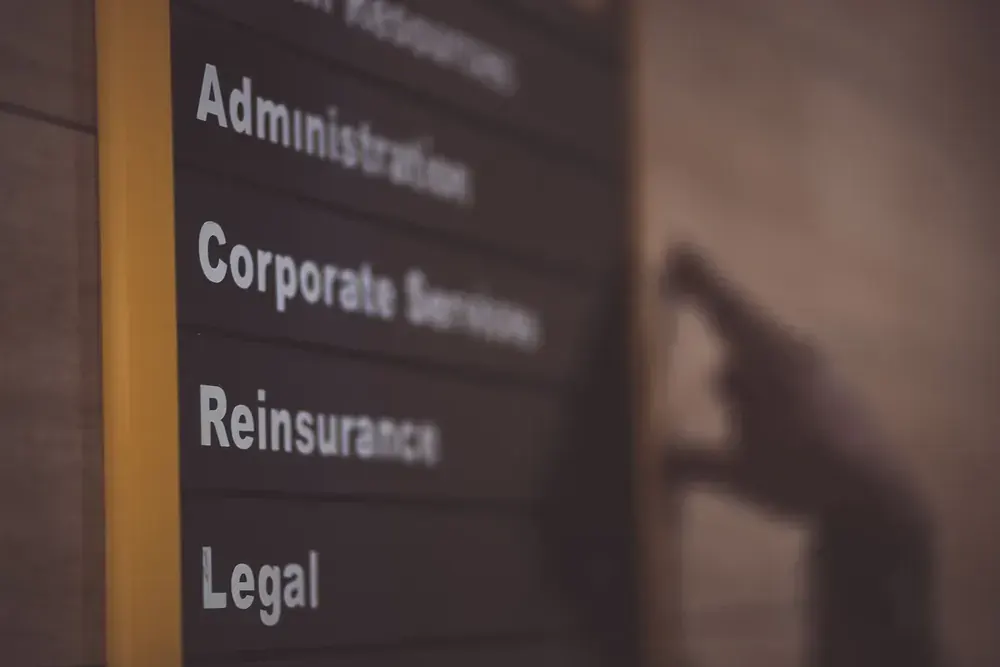
3. Interior directory and department signs
Larger retail floors need wayfinding just as much as an office building does — department headers, aisle markers, and directory signage that gets a first-time shopper to the right section without asking staff. This overlaps closely with our wayfinding signage guide for the interior-navigation side of the system.
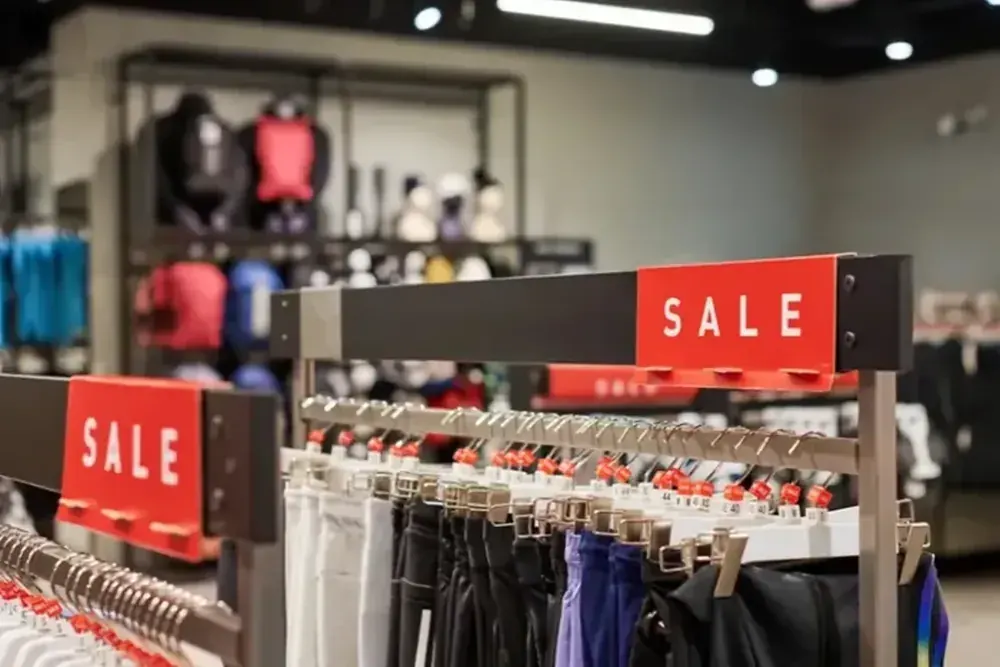
4. Sale and promotional signage
Point-of-sale cards, hanging banners, and window posters that change weekly or monthly — the highest-turnover sign category in retail, and the one most often produced cheaply because it’s treated as disposable. It shouldn’t be; see the seasonal strategy section below.
5. Seasonal display graphics
Holiday and seasonal campaign signage that refreshes the storefront look without a full sign replacement — interchangeable panels, seasonal window clings, and rotating banner content.
6. Digital displays
Increasingly common for larger-format Austin retail — digital menu-style boards for promotions that rotate more often than print can keep up with. Our digital signage guide covers systems and real installed costs for this category.
7. ADA-compliant signage
Restroom, occupancy, and accessible-entrance signage inside every retail location that’s open to the public — not optional, and covered in detail in the code section below.
8. Exterior directional and parking signage
For strip-center and shopping-center locations: pylon or monument signs at the property entrance, plus parking-lot directional signage so customers can actually find the storefront from the parking lot.
9. Banners and event signage
Grand-opening banners, sidewalk sale flags, and temporary event signage for in-store promotions — see our banners & flags page and our event signage guide for anything tied to a specific date or campaign.
Retail Signage by Store Type
- Boutique and independent retail: a strong storefront sign plus window graphics usually covers most of the need — smaller footprints mean less interior wayfinding, more emphasis on window merchandising that doubles as the store’s primary daily advertising, since most independent retailers don’t have a media budget beyond their own storefront.
- Shopping center and strip-center tenants: storefront sign constrained by the landlord’s sign criteria (covered below), plus reliance on the property’s shared monument or pylon sign for drive-by visibility — which makes getting placed well on that shared sign a real negotiating point when signing a lease.
- Big-box and larger-format retail: full interior wayfinding system, department signage, and often digital displays for rotating promotions — the full 9-type system applies here, and the interior navigation layer matters as much as the storefront sign once someone’s already walked in.
- Grocery and convenience retail: heavy emphasis on aisle and department signage, plus exterior fuel/price signage where applicable and high-visibility promotional signage for weekly specials that has to be legible to someone driving past at 30–40 mph.
- Multi-location retail chains: the priority shifts to consistency — a documented sign standard so every location matches, with a vendor who can fabricate and install identically across sites and keep a consistent point of contact as new locations open.
- Restaurants with a retail component: merchandise or to-go retail sections inside a restaurant need their own dedicated signage layer separate from the dining-focused signage — a common gap we see on restaurant build-outs that add a retail counter later.
5 Design Rules for Retail Signage That Actually Sells
- Legible from the street, not just the sidewalk. Storefront sign sizing should be calculated from actual driving speed and distance, not from how it looks standing directly in front of it.
- Brand consistency across every layer. Storefront, window, interior, and promotional signage should read as one brand, not four separate design decisions made at different times.
- Promotional signage needs a system, not one-offs. A reusable frame or panel system for sale signage looks far more professional than taped paper signs, and costs less over a year than reprinting from scratch every time.
- Don’t block sightlines with window graphics. Perforated film and smart placement let light in and let customers see merchandise from outside — full-coverage opaque graphics can actually reduce walk-in traffic.
- Plan for change. Retail signage turns over more than almost any other category — design systems (modular panels, swappable inserts) that make updates fast and affordable instead of a full remake every season.
Retail Sign Costs in Austin (2026)
| Sign type | Typical installed cost |
|---|---|
| Window graphics/vinyl lettering (per window) | $150 – $800 |
| Interior directory/department sign | $100 – $600 per sign |
| ADA restroom/occupancy sign | $45 – $150 per sign |
| Promotional banner (single) | $60 – $250 |
| Illuminated storefront channel letters | $2,500 – $12,000 |
| Pylon/monument sign (shared center entrance) | $3,000 – $15,000+ |
| Full retail signage package (single location) | $6,000 – $25,000+ |
Multi-location chains typically negotiate per-store pricing once a design standard is finalized, which brings unit costs down meaningfully after the first location. For how retail sign pricing compares against other commercial sign categories, see our Austin business sign cost guide.
Material choice moves these numbers more than most retailers expect. Acrylic-faced channel letters cost less than metal-fabricated dimensional letters but read slightly less premium up close; vinyl window graphics cost far less than etched or frosted glass film but need replacing more often in direct Texas sun. We typically recommend spending where it matters most for the specific location — the primary storefront sign and any shared property signage — and keeping promotional and seasonal signage on lower-cost, faster-turnaround materials since those pieces get replaced on a schedule anyway.
Austin Sign Code & ADA Rules for Retail Storefronts
Retail storefronts in Austin need a sign permit for most illuminated and permanent exterior signage before installation — size, height, and placement rules vary by zoning and, for shopping-center tenants, by the landlord’s own sign criteria on top of the city code. The City of Austin Development Services Department handles sign permit review; we pull permits as part of every retail signage project so store owners don’t have to navigate that process themselves.
Inside the store, restroom, occupancy, and accessible-entrance signage generally needs to meet the Americans with Disabilities Act standards for tactile characters, Grade 2 Braille, mounting height, and contrast — requirements the Texas Accessibility Standards enforce specifically for commercial retail space open to the public. Getting this into the plan before fabrication avoids a reinspection finding after the store is already open. See our full ADA & Braille signage page for the complete requirement breakdown.
One detail retailers new to the process often miss: sign permit review timelines in Austin can run anywhere from a few days to several weeks depending on the sign type and current review volume, which matters most for retailers working toward a fixed grand-opening date. We build that review window into the project timeline from the first conversation instead of treating it as a surprise delay near the finish line.
Seasonal & Promotional Signage Strategy
Retail lives and dies by promotional cadence — holiday windows, sale events, and new-arrival campaigns that need signage turned around fast. The retailers who handle this best use a reusable frame or panel system for window and interior promotional signage instead of one-off printed pieces taped up each time, which keeps the store looking professional year-round instead of cluttered with mismatched paper signs. A seasonal display refresh — new window clings, updated interior graphics, refreshed banner content — costs a fraction of a full sign replacement and keeps the storefront feeling current without touching the permanent structural signage at all.
How a Retail Signage Project Runs
- Site walk and sign inventory. We assess the storefront, any landlord sign criteria, and what interior/exterior signage the location actually needs.
- Design and code check. Design concepts get checked against Austin sign code and, for center tenants, the landlord’s published criteria before anything goes to fabrication.
- Permit filing. We handle permit submission and reviewer questions for anything requiring a city permit.
- Fabrication and installation. Signs are produced and installed, typically scheduled around store hours to avoid disrupting business — many retail installs happen overnight or before opening specifically to avoid customer disruption during business hours.
- Promotional system setup. For retailers who want a reusable promotional signage system, we set up the panel/frame hardware once so future updates are fast and cheap.
- Handoff and update training. For retailers managing their own seasonal signage swaps, we walk staff through how the reusable system works so updates don’t require calling us back in for every change.
7 Retail Signage Mistakes We Fix Most Often
- Budgeting for the storefront sign only. A great exterior sign that gets someone through the door, followed by no interior wayfinding or promotional system, leaves value on the table once they’re inside.
- Skipping the landlord’s sign criteria. Shopping-center tenants who design without checking the property’s published sign criteria often have to redesign after rejection — we check this first.
- Treating promotional signage as disposable. Cheap, mismatched paper signs taped to windows read as unprofessional even when the products and prices are great.
- Full-coverage window graphics that block sightlines. Sometimes reduces walk-in traffic by hiding the merchandise that would have pulled someone in.
- ADA signage as an afterthought. Retrofitting compliant restroom and occupancy signs after opening costs more than including them in the original plan.
- No plan for seasonal turnover. Retailers without a reusable promotional system end up reprinting from scratch every campaign, which adds up over a year.
- Inconsistent branding across sign layers. Storefront, window, and interior signage designed at different times by different vendors rarely reads as one cohesive brand.
- Ignoring nighttime and low-light visibility. A storefront sign that looks great at noon but goes dark or unreadable after sunset loses an entire evening shopping window — illumination isn’t optional for most Austin retail corridors with real evening foot traffic.
Why Retail Signage Is Worth the Investment
Retail is one of the few sign categories where the ROI case is direct: a visible, legible storefront sign is frequently cited as a top driver of new walk-in traffic for small businesses, and interior wayfinding measurably affects how much of a store a shopper actually sees before checking out. Research from the International Sign Association consistently finds signage ranks among the most cost-effective forms of local advertising per dollar spent, specifically because it keeps working every hour the store is open with no recurring media spend. For retail specifically, the compounding effect of a full sign system — exterior pull, interior navigation, and promotional conversion — is larger than any single sign type on its own.
The comparison retailers find most useful: a monthly paid-media budget stops producing impressions the moment spending stops, while a well-designed storefront sign keeps pulling in foot traffic every day it’s installed, in every weather condition, at every hour the store is open, for as long as it’s up — often five to ten years or more before a refresh is needed. That durability is why retailers who treat signage as a one-time capital investment rather than a recurring expense tend to get the most value out of it over the life of the sign.
Retail Signage FAQs
Do I need a permit for retail window graphics?
Non-illuminated window graphics generally don’t require a city permit, but illuminated signage and any permanent exterior signage typically do. We confirm permit requirements as part of every project scope.
What if my shopping center has its own sign rules?
Most multi-tenant centers publish sign criteria covering size, placement, and lighting that layer on top of city code. Send us your lease’s signage exhibit and we’ll design within both sets of rules from the start.
How often should promotional signage change?
Most retailers refresh window and interior promotional signage monthly to seasonally, and set up a reusable panel or frame system specifically so that refresh doesn’t mean a full reprint every time.
Can I update just my storefront sign without touching the rest of my signage?
Yes — storefront, window, interior, and promotional signage can all be updated independently. Many retailers phase a full system in over time rather than replacing everything at once.
Do multi-location retailers get better pricing?
Generally yes, once a design standard is finalized for the first location — subsequent locations typically see lower per-store costs on both fabrication and permitting.
What materials hold up best for Austin retail signage?
UV-stable acrylics and laminated vinyl films handle direct Texas sun without yellowing or fading; we spec materials by orientation and sun exposure per storefront rather than using one default across every location.
Can I get retail signage that matches an existing brand guide?
Yes — we work from Pantone values, brand fonts, and existing store photography to match new signage to an established brand rather than approximating from a logo file alone.
How far in advance should I start a retail sign project before opening?
For a full storefront sign package, plan on 4–8 weeks from final design approval to installation once permit review time is included — longer for larger shopping-center locations with landlord approval steps on top of city review. Starting the conversation as soon as a lease is signed gives the most cushion against opening-day surprises.
Ready to plan retail signage that pulls foot traffic in and moves shoppers through your store? Request a free quote, browse our retail signs page, or call (512) 621-8822.