
Table of Contents
If you’re pricing a sign for your storefront, office, or shop, the honest answer to “what does a business sign cost?” is: anywhere from $300 for a simple vinyl panel to $30,000+ for a large illuminated monument sign. That range is useless on its own — so this guide breaks business sign cost down the way sign companies actually quote it: by sign type, size, illumination, materials, permits, and installation, with real 2026 numbers for the Austin market.
We build and install signs across Austin every week, so the figures below reflect what Central Texas businesses actually pay — not national averages that ignore Austin’s sign code and permit fees.
Business Sign Cost at a Glance: 2026 Austin Price Ranges
Here’s the fast version. These are typical installed prices — sign, hardware, and standard installation — for common commercial signs in the Austin area in 2026:
| Sign type | Typical installed cost | Best for |
|---|---|---|
| Vinyl window graphics | $300 – $1,500 | Retail promos, hours, branding on glass |
| Non-illuminated dimensional letters | $1,500 – $5,000 | Offices, interior lobbies, quiet exteriors |
| Lightbox / cabinet sign | $2,500 – $8,000 | Strip-center storefronts, plaza tenants |
| Channel letters (illuminated) | $4,000 – $15,000 | Storefronts that need night visibility |
| Monument sign | $8,000 – $30,000+ | Offices, medical, schools, multi-tenant sites |
| Pylon / pole sign | $15,000 – $80,000+ | Highway frontage, large retail centers |
| ADA & braille interior signs | $45 – $150 per sign | Code-required room and wayfinding signs |
| Vehicle wraps & graphics | $500 – $5,000 per vehicle | Service businesses, fleets, contractors |
Every number above can move up or down — the six factors in the next sections explain why two signs that look similar can be quoted thousands of dollars apart.

Business Sign Cost by Sign Type
Vinyl and window graphics: $300 – $1,500
The entry point. Cut vinyl lettering or printed perforated film applied to glass. Cost scales with square footage and design complexity. Expect the low end for a single door with hours and logo, the high end for full storefront window coverage.
Dimensional letters (non-illuminated): $1,500 – $5,000
Acrylic, PVC, or metal letters mounted to a wall or lobby feature. Price moves with letter height, thickness, material (painted acrylic is cheaper than fabricated stainless), and stud-mount vs. rail-mount installation. Popular for professional offices where illumination isn’t needed — or isn’t allowed by the landlord’s sign criteria.
Cabinet (lightbox) signs: $2,500 – $8,000
An internally lit aluminum box with a printed or routed face. Cheaper than channel letters at the same size, which is why plazas are full of them. The trade-off is a boxier look; many newer Austin developments now require channel letters in their tenant sign criteria instead.
Channel letters: $4,000 – $15,000
Individually fabricated, internally LED-lit letters — the standard for serious storefronts. A modest 20″ letter set for a 30-foot storefront lands near the bottom of the range; large letters, logo cabinets, halo-lit (reverse) construction, or a raceway-plus-transformer replacement push toward the top. We break down every variable in our channel letter buyer’s guide.
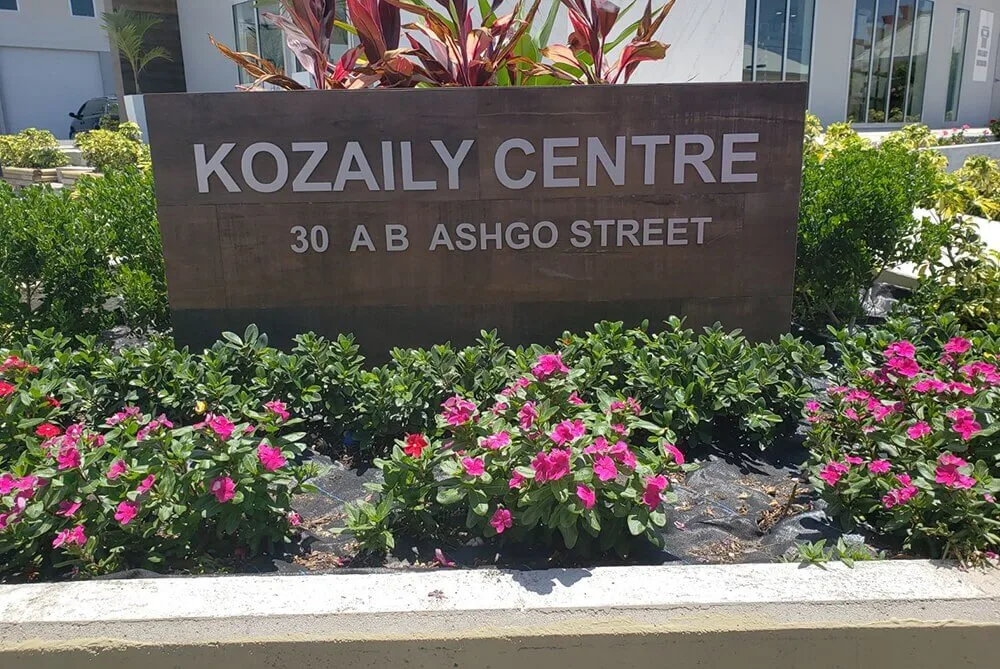
Monument signs: $8,000 – $30,000+
Ground-level masonry, stucco, or aluminum structures at your entrance. Foundation work, engineering, and internal illumination are the big cost levers. Multi-tenant panels add fabrication cost but let you split the bill across tenants.
Pylon and pole signs: $15,000 – $80,000+
Tall freestanding signs for highway visibility. These are construction projects: engineered foundations, steel, crane time, and electrical. Austin’s code limits where and how tall these can go, which is often the deciding factor before budget even comes up.
The 6 Factors That Move Your Business Sign Cost the Most
When we quote a sign, six inputs drive most of the price. Understanding them helps you control your business sign cost instead of just receiving it:
- Size. Materials scale roughly with area, but fabrication and installation scale in steps — a sign that needs a bigger crew, a lift, or a crane jumps in price even if it’s only slightly larger.
- Illumination. LEDs, power supplies, wiring, and an electrician typically add 30–60% over a non-lit equivalent — and require an electrical permit in Austin. It’s usually worth it: your sign works nights and early mornings, when Austin retail corridors do a surprising share of their traffic.
- Materials. Painted aluminum vs. brushed stainless, standard acrylic vs. premium faces, stucco vs. stone veneer on a monument — material choices can swing a quote 25% either way.
- Mounting surface. Fastening to brick, EIFS/stucco, tilt-wall concrete, or a parapet each demands different hardware and labor. Landlord requirements (like raceway mounting) also change fabrication.
- Engineering & wind load. Freestanding and projecting signs need engineered drawings stamped for wind load — a few hundred to a few thousand dollars depending on the structure.
- Design complexity. Logo cabinets, custom colors, halo lighting, and non-standard shapes all add fabrication hours.
Austin Sign Permit Costs: What the City Charges
Most exterior commercial signs in Austin require a sign permit from the City of Austin Development Services Department. Budget for:
- Sign permit fees: commonly a few hundred dollars per sign, scaling with valuation.
- Electrical permit: required for any illuminated sign.
- Engineered drawings: required for freestanding structures and some wall signs.
- Landlord/HOA approval: free, but plan for time — shopping-center sign criteria approvals can take longer than the city.
Permit costs are the smallest line item but the biggest schedule risk. A rejected application can add weeks. This is exactly why we handle permitting in-house — and why we wrote an entire guide to Austin sign regulations. If your property sits outside Austin’s full-purpose jurisdiction (common along the edges of Round Rock, Cedar Park, and unincorporated Travis County), different rules and fees apply — worth confirming before you fall in love with a design.
Installation Costs: Why the Quote Isn’t Just the Sign
Installation is typically 15–30% of a project’s total. What you’re paying for:
- Site survey: measurements, wall construction, power location, and code check before fabrication.
- Equipment: ladder work is cheap; boom lifts and cranes are not. Height is money.
- Electrical hookup: licensed electrician connection for illuminated signs.
- Patch and seal: proper waterproofing of every wall penetration — skipped by cheap installers, and the source of most warranty claims we see on other companies’ work.
Hidden Costs First-Time Buyers Miss
Five line items that surprise first-time sign buyers:
- Old sign removal and disposal — $250–$1,500, more if the old cabinet leaves major wall damage.
- Wall repair and repaint behind the previous tenant’s sign footprint.
- Power runs. If there’s no circuit where the sign goes, the electrician’s trenching or conduit run can cost more than a small sign.
- Sign criteria compliance. Landlord-mandated raceways, size limits, or specific letter styles can force a redesign after you’ve already paid for concepts.
- Maintenance. LEDs dim, faces fade, and Texas storms happen. A maintenance plan costs far less than emergency repairs — our sign maintenance guide covers what to budget annually.
The cheapest quote usually hides several of these. We’ve documented what that gamble costs businesses in The True Cost of Cheap Signs in Austin.
How to Budget: A Simple Framework
A framework we give Austin business owners:
- Anchor to revenue per walk-in. If an average new customer is worth $200 and a better sign brings in one extra customer a day, that’s ~$70,000/year of new revenue. Suddenly a $10,000 sign is not the expensive option.
- Spend on the primary sign first. One excellent illuminated storefront sign beats three mediocre signs. Add secondary signage (windows, parking lot signs, interior) in phase two.
- Match the sign to the sightline. A storefront on South Congress foot traffic needs different signage than a suburban office park on a 45 mph arterial. Pay for visibility where your customers actually are — our storefront signs guide shows how to pick.
- Plan 10–15% contingency for permits, power, and wall surprises.
What a Good Sign Actually Returns
Signage is one of the few marketing assets you buy once and that then works every hour your building exists. Industry research from the International Sign Association consistently finds that a majority of consumers have entered a store they’d never visited because a sign caught their attention, and that poor signage actively deters visits. We’ve seen it locally: one Austin client measured a 23% jump in foot traffic from a single sign upgrade — the numbers are in this case study.
When you spread a $8,000 channel letter set over a 10-year service life, you’re paying about $2.20 a day for 24/7 advertising at your exact point of sale. No other channel touches that.
Business Sign Cost by Industry: What Similar Austin Businesses Spend
Budgets cluster by industry because visibility needs, code requirements, and landlord rules cluster by industry. Typical all-in first-sign packages we see in Austin:
- Restaurants and cafes: $6,000 – $20,000. Illuminated channel letters or a blade sign, window graphics, and menu signage. Night visibility is non-negotiable — dinner traffic pays the rent. See our restaurant signage ideas for where that budget goes furthest.
- Medical and dental offices: $8,000 – $35,000. Often a monument sign (or a panel on a shared one), building letters, and a full interior ADA package. The ADA signs are small dollars but mandatory for occupancy.
- Retail boutiques: $3,000 – $12,000. One strong storefront sign plus window vinyl. In pedestrian districts, a projecting blade sign earns its cost fast.
- Professional services (law, finance, agencies): $2,500 – $10,000. Dimensional letters, lobby sign, and suite signage. Illumination is often skipped — office hours end before dark half the year.
- Contractors and trades: $1,500 – $8,000. Vehicle graphics first — a wrapped truck is a moving billboard at job sites — then yard signs and a shop sign. Our vehicle signage guide covers the math.
- Gyms and studios: $5,000 – $15,000. Channel letters plus interior motivational and wayfinding graphics.
Financing, Phasing, and Lease-End Planning
Three money strategies that make a right-sized sign affordable:
Phase the project. Install the primary illuminated sign at opening; add monument panels, window graphics, and interior signage from operating revenue in months 2–6. Sequencing beats shrinking the main sign — the primary sign is the one doing customer acquisition.
Ask about leasing. Larger illuminated signs and pylons can often be leased or financed, converting a $25,000 capital hit into a monthly operating cost that the sign’s traffic lift typically covers. Terms vary; get the buyout terms in writing.
Plan for the lease end. Most Austin commercial leases require sign removal and facade restoration at move-out. Keep your installation drawings — removal quotes are cheaper when the installer knows what’s behind the wall. And if you rebrand mid-lease, face swaps and retrofits often cost 30–50% of a new sign; we cover the options in our rebranding guide.
Timeline: From Quote to Installed Sign
Cost and schedule travel together — rush work costs more. A realistic Austin timeline for an illuminated storefront sign:
- Site survey and quote: 2–5 days. Photos, measurements, power check, landlord criteria review.
- Design and approvals: 1–2 weeks. Concepts, revisions, and landlord sign-off. This is the step businesses underestimate most.
- Permitting: 1–4 weeks. City of Austin sign and electrical permits. Clean applications move fast; variances do not.
- Fabrication: 2–4 weeks. Letters, cabinets, and faces built and wired.
- Installation: 1–2 days. Mounting, electrical hookup, sealing, and inspection.
Total: 5–10 weeks door to door. If you’re opening a new location, get the sign process started the day you sign the lease — a finished buildout hiding behind an unsigned facade is invisible revenue. (It’s also the single most common regret we hear from owners who wonder why customers walk past.)
How to Read a Sign Quote Line by Line
Every legitimate sign quote should let you answer five questions. If it doesn’t, ask before you sign:
- What exactly is being fabricated? Letter heights, materials, lighting type, and face colors in writing — “channel letter set” alone is not a spec.
- Is permitting included? Application fees, drawings, and who pays if the city requires changes.
- Is electrical hookup included? Some quotes stop at “sign hung on wall” and leave you to hire an electrician separately.
- What’s warranted, for how long? Separate numbers for workmanship, LEDs, and power supplies.
- Who owns the design files? You’ll want production files at rebrand or lease-end time.
A quote that’s $1,500 cheaper but excludes permitting, electrical, and disposal isn’t cheaper. Normalize every bid to the same scope, then compare — and weigh the shop’s install photos over its sales copy.
Why “Just Buy It Online” Backfires for Exterior Signs
Online sign marketplaces are genuinely good for banners, yard signs, and interior decals — we print plenty of those ourselves. Where mail-order goes wrong is permitted, illuminated, or structural work: the marketplace doesn’t survey your wall, doesn’t pull your permit, doesn’t know your landlord’s raceway rule, and won’t be there when the inspector asks who sealed the penetrations. The typical rescue project — a shipped letter set that can’t legally go up as-is — ends up costing more than a turnkey local job would have. Use online for the quick stuff; use a local, licensed shop for anything that needs a ladder, a permit, or a circuit.
Business Sign Cost FAQs
How much does a small business sign cost in Austin?
For a typical small storefront: $300–$1,500 for window vinyl, $2,500–$8,000 for a lightbox, and $4,000–$12,000 for illuminated channel letters, installed and permitted.
Why do quotes for the same sign vary so much between companies?
Usually one of four things: material grade, whether permitting and engineering are included, whether installation includes proper sealing and electrical, and warranty terms. Make quotes apples-to-apples before comparing totals.
Do I need a permit for my business sign?
In Austin, almost every exterior sign needs a permit; illuminated signs also need an electrical permit. Interior signs generally don’t — but ADA room signage is legally required to meet ADA standards.
How long does a business sign last?
Quality channel letters and cabinets run 7–15 years; monument structures decades. LEDs typically carry 3–5 year warranties. Regular maintenance stretches all of it.
What’s the cheapest way to get an effective sign?
Non-illuminated dimensional letters on a well-lit facade, or high-quality window graphics. Spend on legibility (contrast and letter height) before decoration.
Ready for a real number instead of a range? Send us your storefront photo and rough size — we’ll give you a straightforward quote with permits and installation included. Request a free quote or call (512) 621-8822.